Notary journals are essential tools for notaries, helping to maintain accurate records of their notarizations. Keeping a detailed journal can protect notaries from potential legal issues and provide a reliable reference for future inquiries.
Understanding how to fill out a notary journal correctly is crucial. Notary journal entry examples can guide you in documenting each transaction accurately, ensuring compliance with state regulations and best practices.
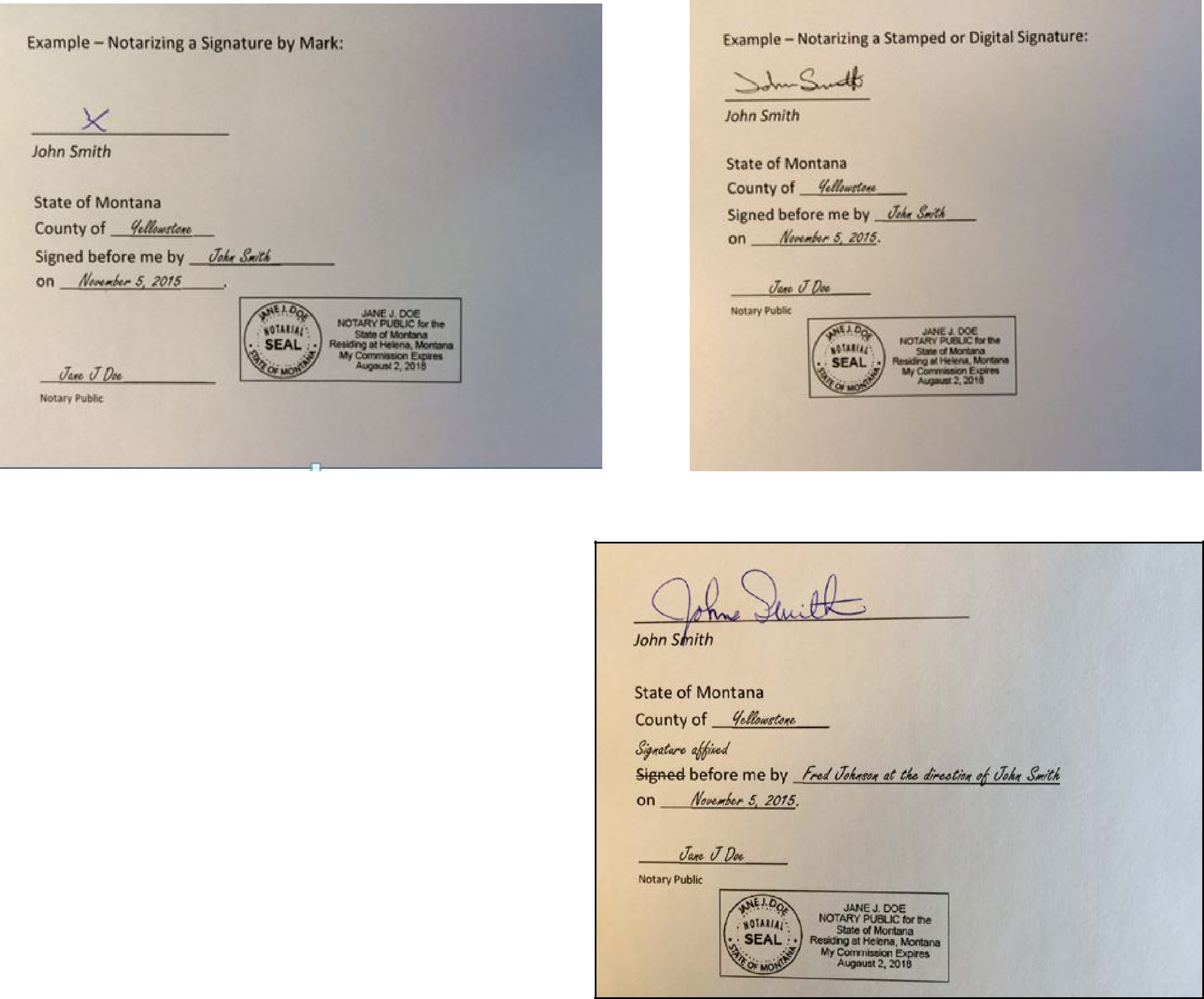
notary journal entry examples
Notary Journal Entry Examples
When creating notary journal entries, include the date, time, and type of notarization performed. For instance, if you notarized a signature on a contract, note the specific details about the document and the parties involved.
Another important aspect is to record the identification method used. Whether it’s a driver’s license or a passport, documenting this information helps establish the identity of the signer and adds an extra layer of security.
Additionally, consider including a brief description of the transaction. This could be as simple as stating the purpose of the notarization or any special circumstances that may have arisen during the process.
Lastly, always ensure that your entries are clear and legible. A well-maintained notary journal not only serves as a legal safeguard but also reflects your professionalism and attention to detail.
Maintaining an accurate notary journal is vital for every notary public. By following these notary journal entry examples, you can ensure that your records are thorough and compliant with legal standards.
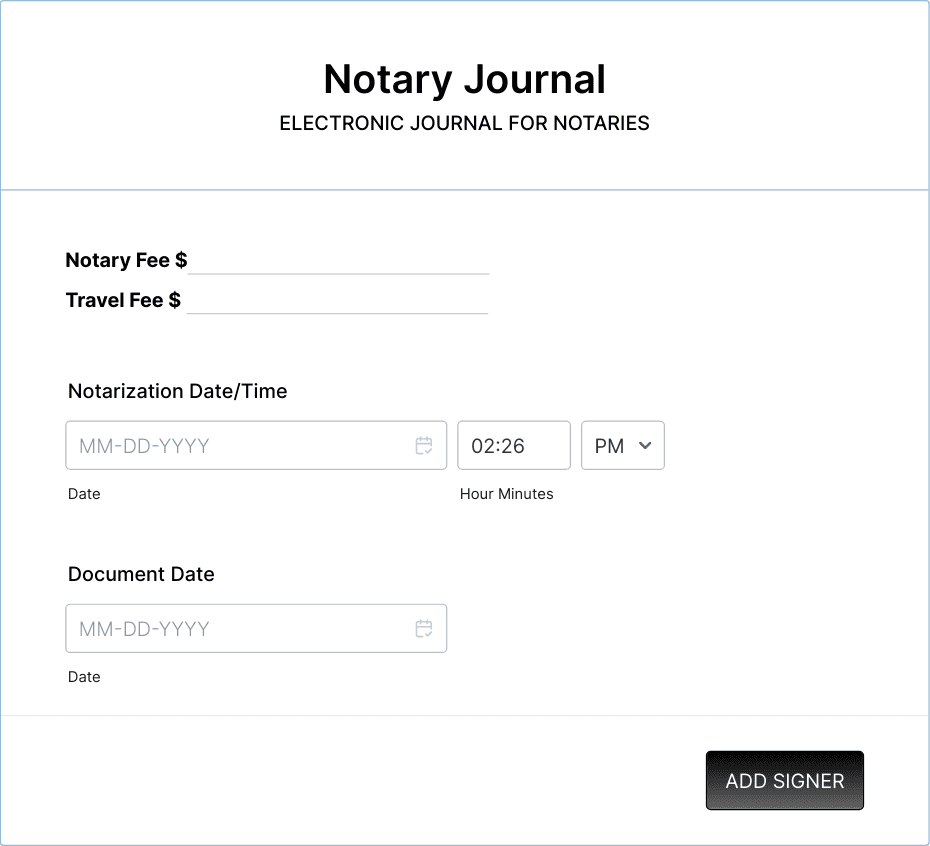
Notary Journal Form Template Jotform
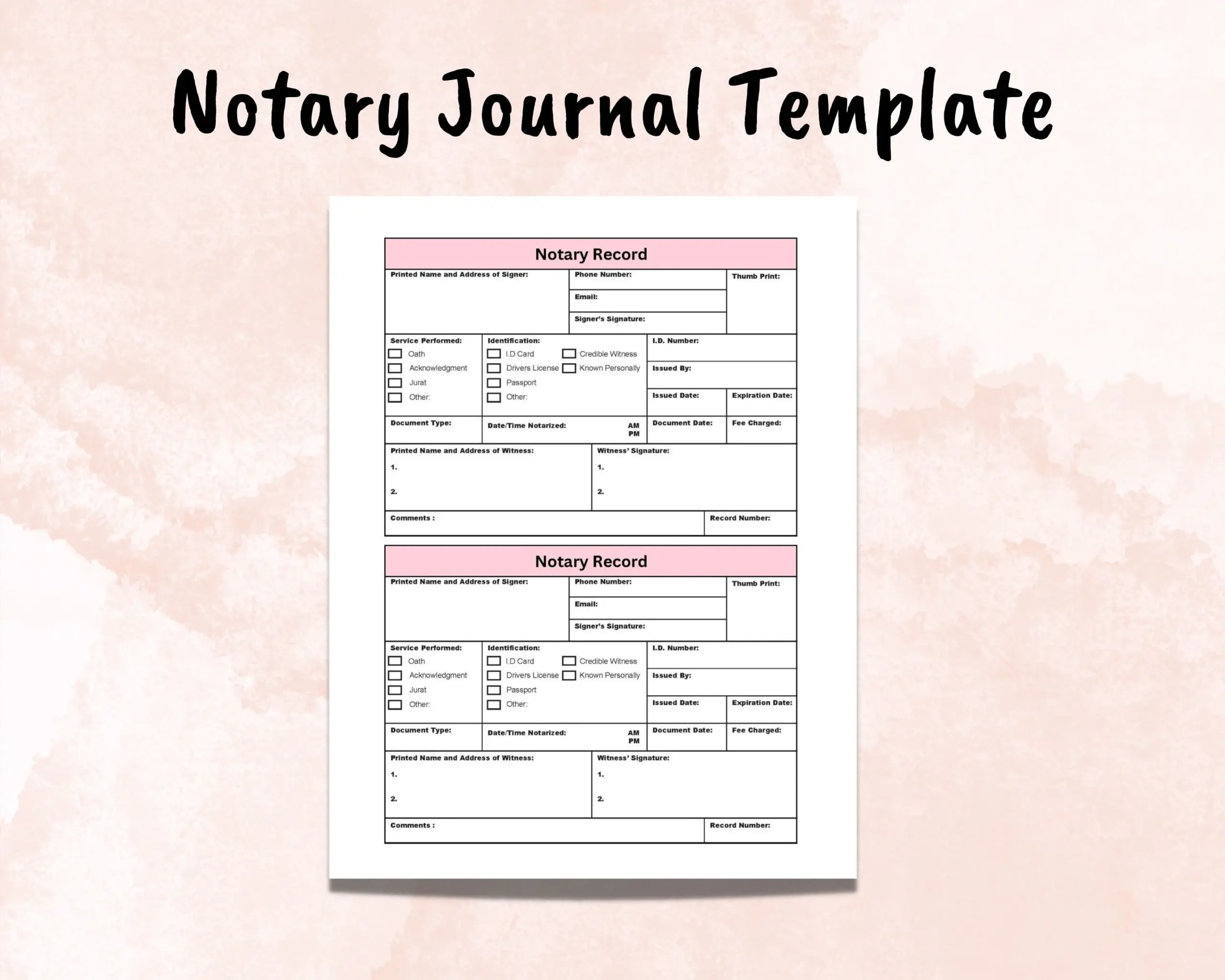
Notary Book Etsy

California Notary Journal Black Cover 200 Pages digital Download Etsy
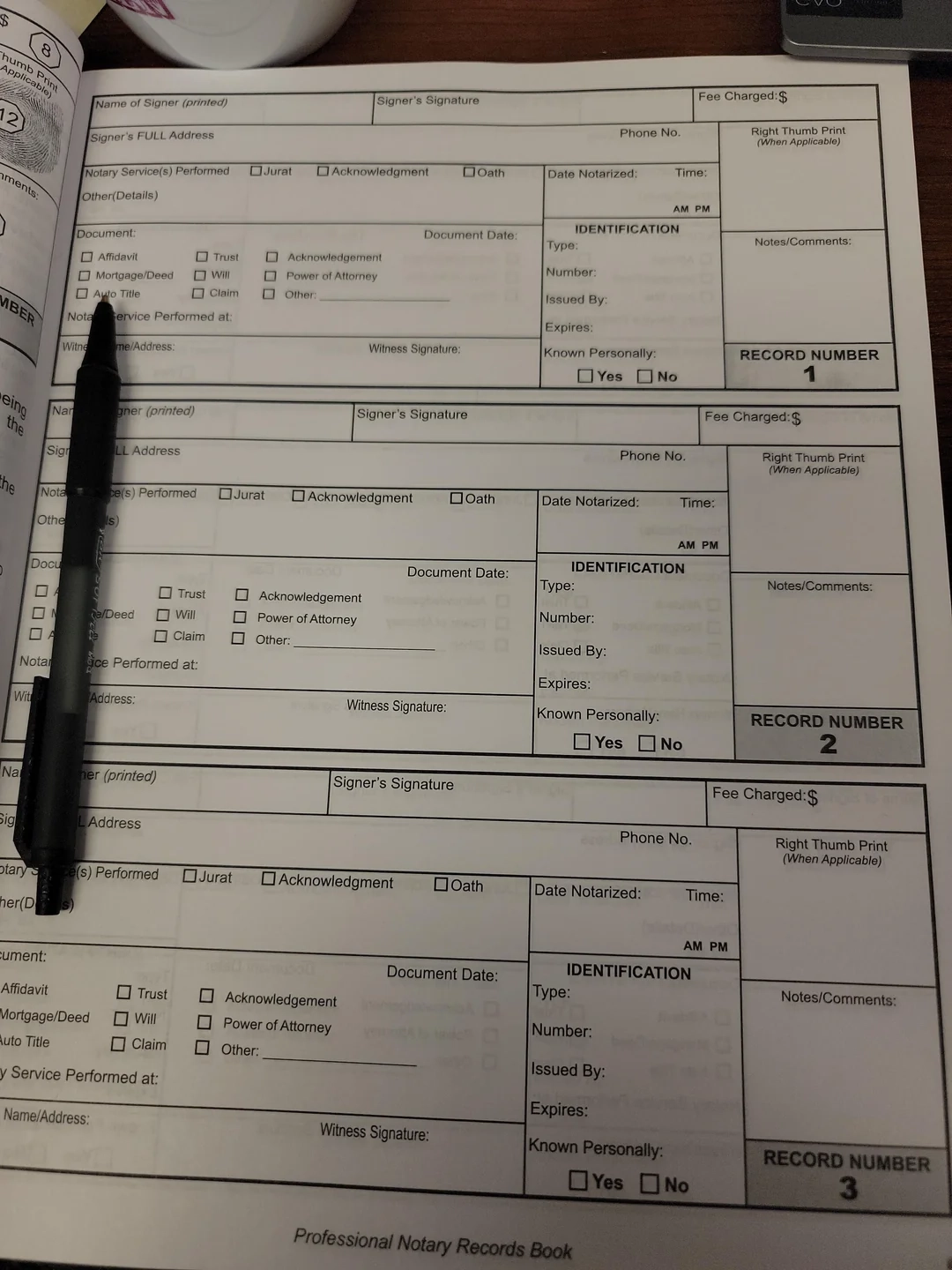
Journal Keeping Help R Notary